Psyllium husk is the separated seed-coat material of Plantago ovata, also called isabgol or ispaghula. For procurement, define whole husk or powder, commercial purity, particle size where relevant, functional and safety requirements, packing, quantity and destination. The name alone is not a complete buying specification.
What are you buying?
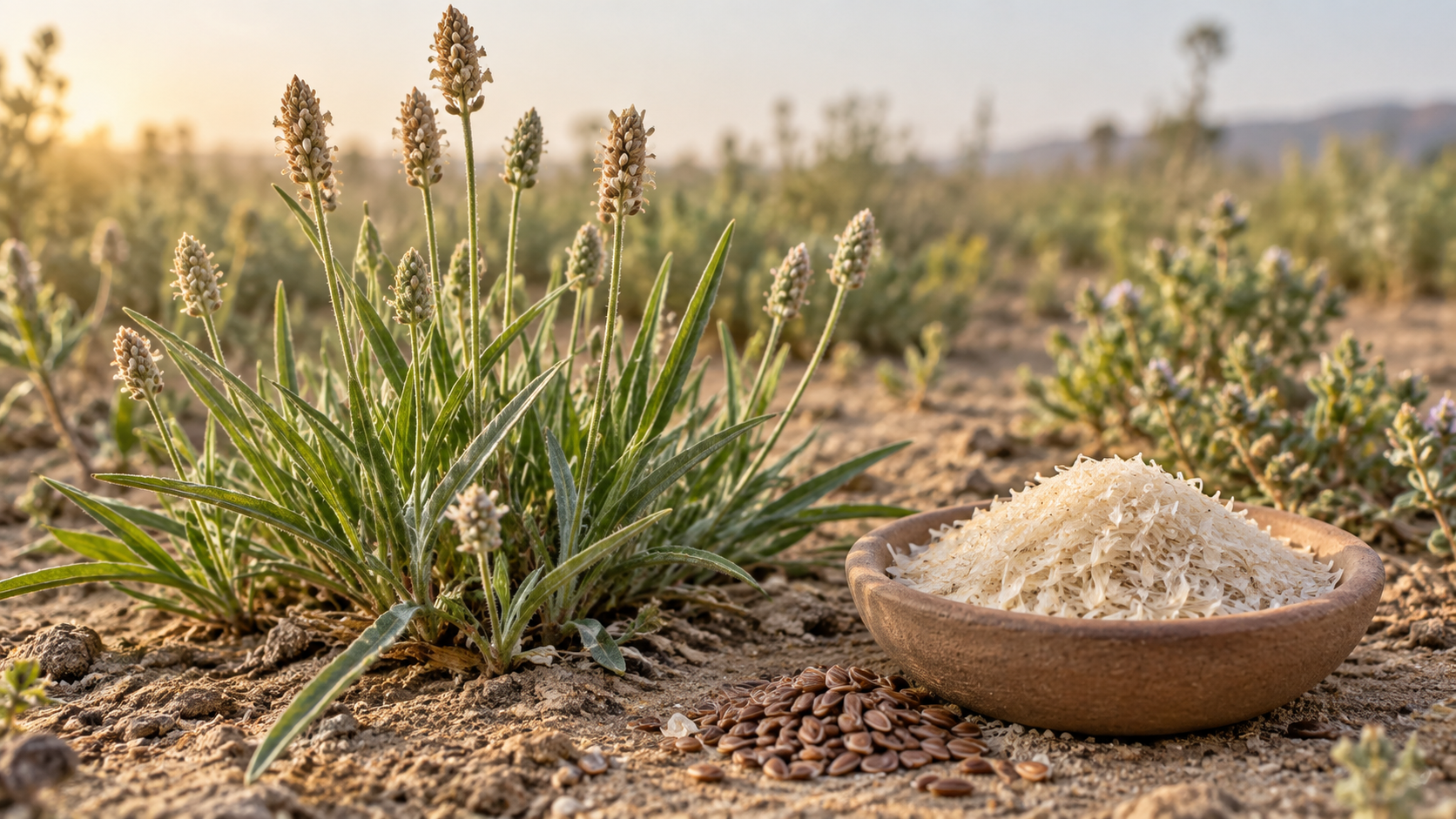
Psyllium husk is the separated outer seed-coat material of Plantago ovata. Buyers may also encounter the names isabgol or ispaghula. Confirm identity and plant part in the supplier specification so the common name does not leave the ingredient ambiguous.
The cited FSSAI document, printed page 76, describes husk obtained from cleaned dry seed coats. It is a dated source for identity; applicable current rules and importing-market requirements need separate confirmation.
1. Choose the form
| Form | Description | Buying implication |
|---|---|---|
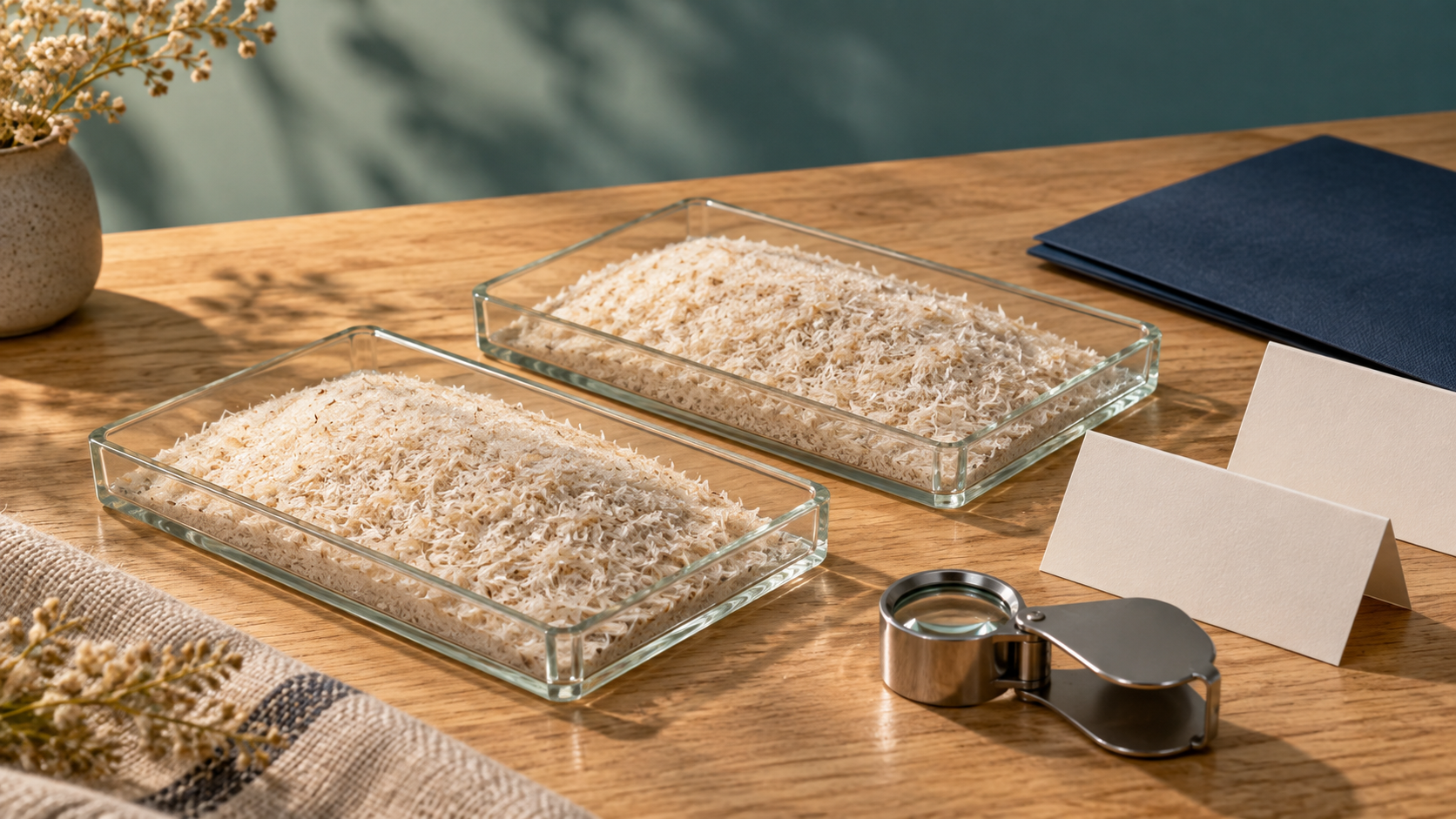
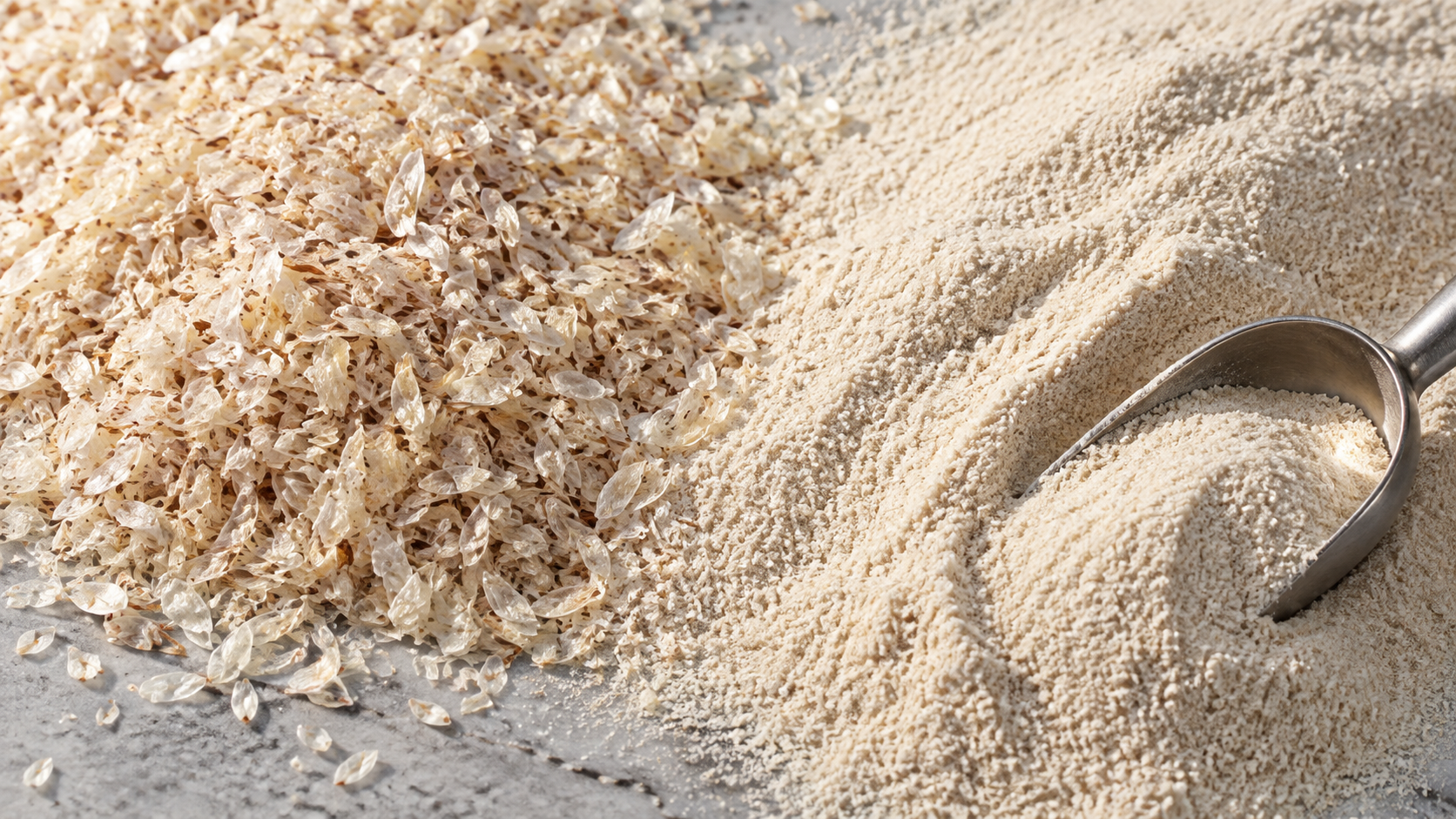
| Whole husk | Separated seed-coat material. | Agree physical description and application requirements. |
| Husk powder | Milled husk. | Also define particle-size method and acceptance criterion. |
| Unspecified “psyllium powder” | Plant part or processing unclear. | Clarify identity before comparing offers. |
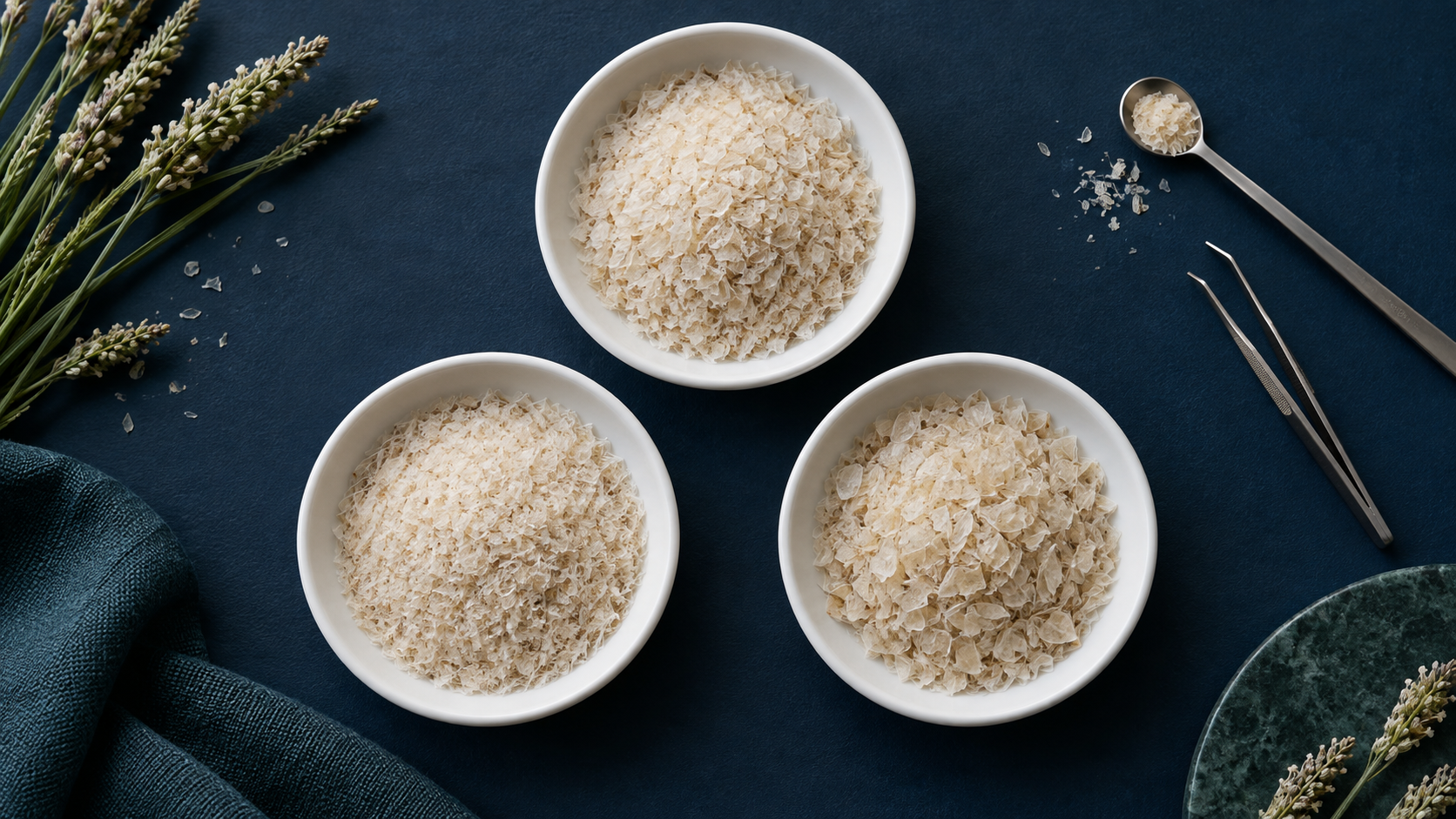
Whole seeds, husk and husk powder should not be treated as interchangeable. Ask for the technical description before approving samples or comparing price. See the whole-husk versus powder guide.
2. Build the specification
- Commercial purity: define the percentage and assessment method.
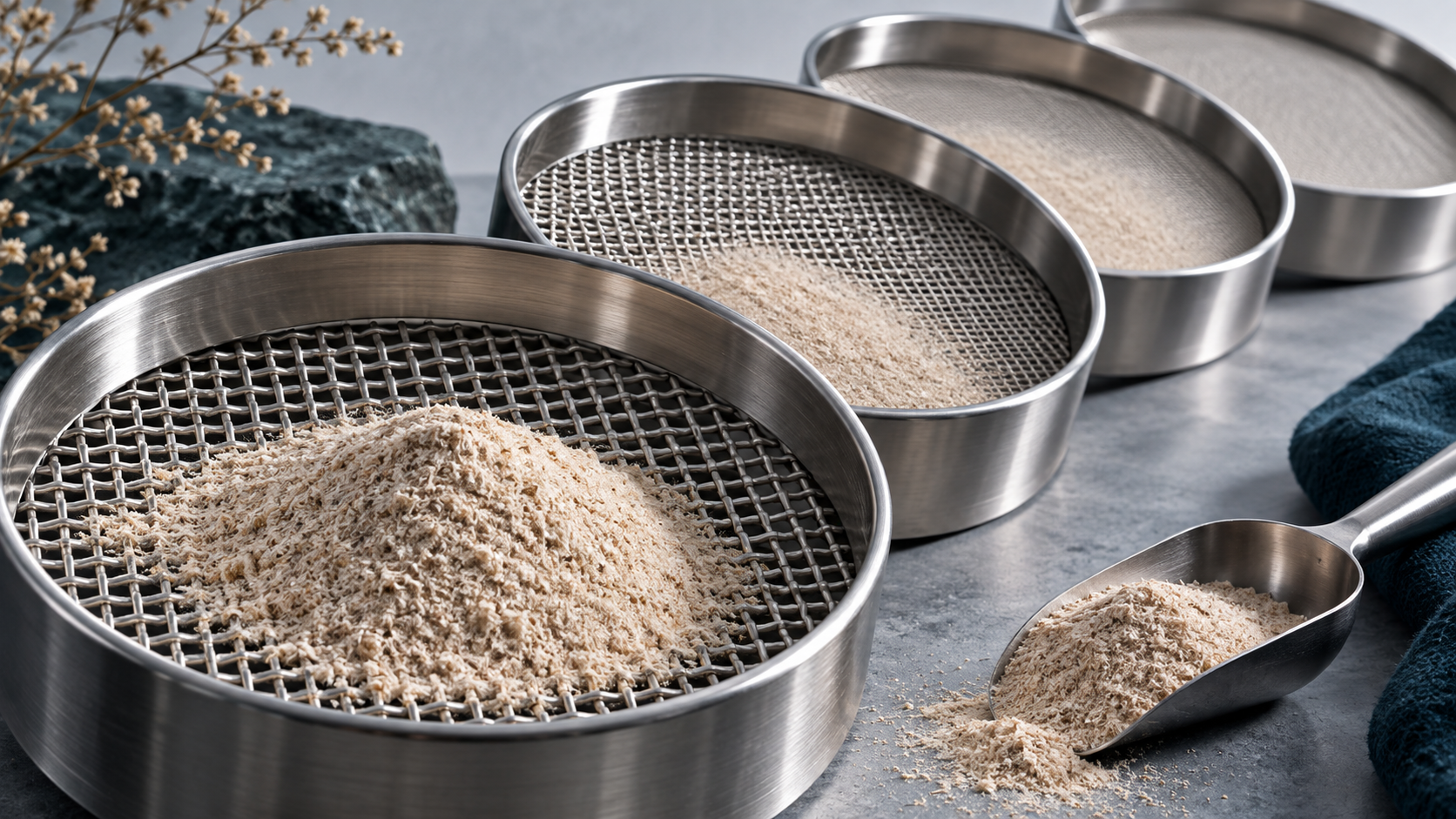
- Particle size: for powder, state the sieve standard and passing criterion or another agreed method.
- Swelling: specify the minimum and method where relevant.
- Moisture and ash: agree limits and reporting basis.
- Safety: list microbiological and contaminant requirements.
- Treatment and certification: state restrictions and evidence needed.
These answer different questions. A high purity description cannot replace missing safety or functional evidence. A mesh number does not establish purity. Avoid requesting “best grade” without a complete definition.
3. Explain the intended use
Tell the supplier whether the ingredient is for a food formulation, fibre product, bakery blend or another defined application. Explain the process and texture requirements that affect selection. Use those details to choose the form and particle-size trial options.
For formulation work, agree a controlled trial. Record sample identity, ingredient amounts, process conditions and acceptance criteria. Assess both laboratory requirements and application performance before placing an order.
4. Request evidence at the right stage
| Stage | Evidence to agree |
|---|---|
| Qualification | TDS, representative COA and relevant supplier/facility evidence. |
| Quotation | Specification, included tests, exclusions, charges and document due stages. |
| Sales-lot approval | Actual-lot COA and agreed independent reports. |
| Shipment | Documents required for the particular order and destination. |
A representative COA shows historical evidence and reporting format; it is not a result for every future batch. Check certificate scope, validity and the facility covered. A laboratory’s menu of services does not prove that the ingredient has passed those tests.
5. Define packing and delivery
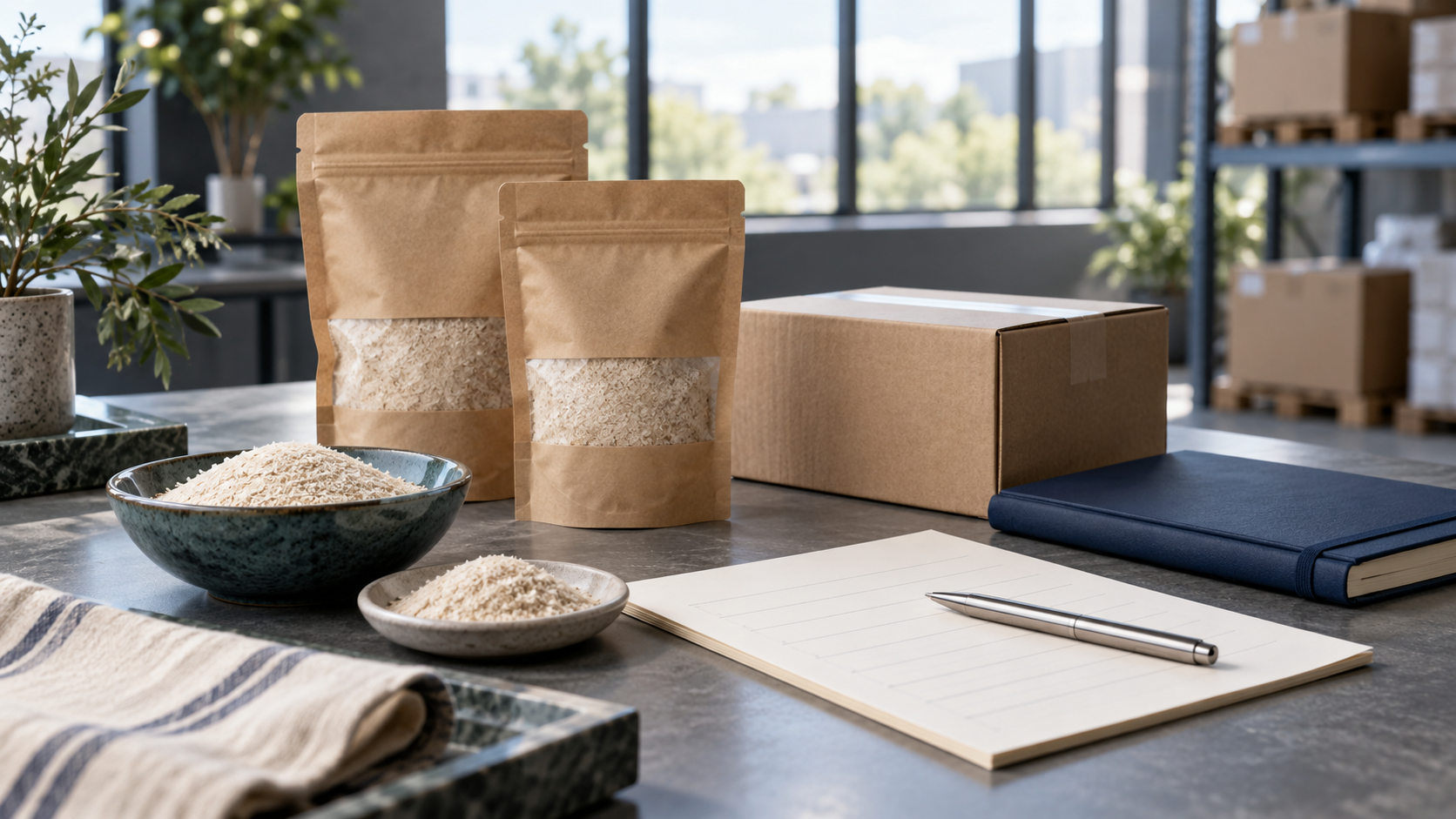
Specify net pack weight, packaging/liner requirements, labels and any pallet requirements. Distinguish bulk ingredients from retail or private-label projects, where packaging, artwork and finished-product requirements need separate agreement.
Include order and trial quantities, destination country, named port or place, requested Incoterm and delivery window. Ask the supplier to state minimum quantities and lead times for the exact product and pack format.
6. Compare complete offers
Illustrative example: one offer includes requested tests and packing while another covers only the ingredient. Compare the complete agreed scope before treating the lower headline price as better value. This is not a current price indication.
- Match form and full specification.
- List included tests and chargeable additions.
- Align quantity, packing and delivery basis.
- Check payment terms, validity and lead time.
- Record exceptions before selecting the offer.
Frequently asked questions
Is husk the same as husk powder?
They are related material in different forms. Confirm the exact form and powder-size requirement.
Does 99% mean every quality requirement is satisfied?
No. Review the complete specification and evidence for each parameter.
Are all tests and certifications included?
No assumption should be made. Availability, scope, lot evidence and additional charges must be confirmed for the enquiry.
Send a complete enquiry
Use the RFQ checklist to provide form, purity basis, size, functional and safety requirements, quantity, packing and destination. Clear requirements make supplier offers easier to compare.
Key takeaways
- Specify botanical identity, plant part and commercial form.
- Purity and mesh are separate specifications.
- Define tests and document due stages before quotation.
- Sample approval does not replace sales-lot evidence.
- Compare complete offers with the same packing and delivery basis.
References & sources
- Food Safety and Standards (Health Supplements, Nutraceuticals, Food for Special Dietary Use, Food for Special Medical Purpose, Functional Food and Novel Food) Regulations / psyllium husk standard — Food Safety and Standards Authority of India (FSSAI) · View source