
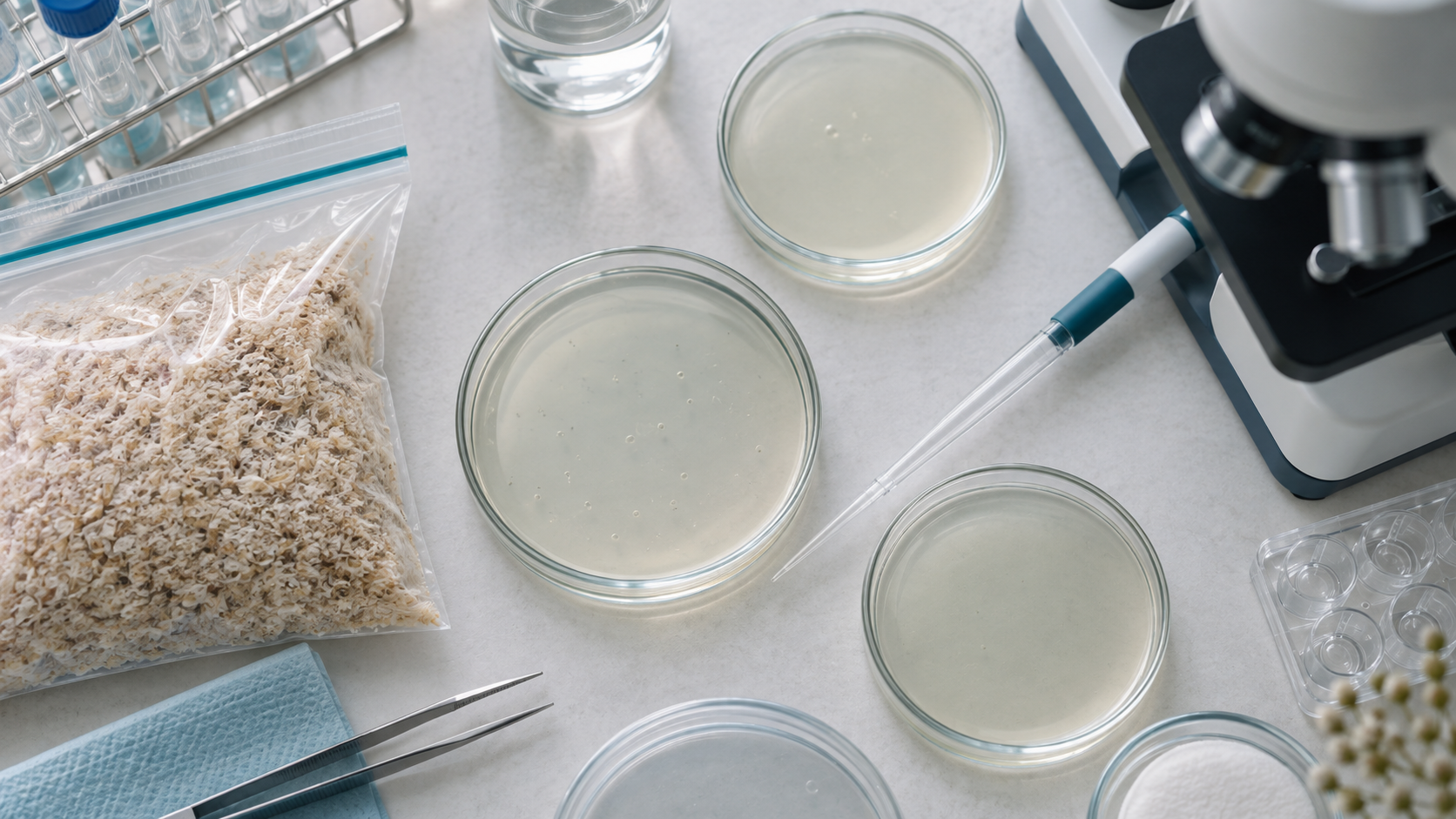
There is no single microbiological panel that should be copied into every psyllium order. Buyers should define organism and count limits according to the product category, intended use, destination market and their own specification, then agree whether testing is representative, periodic or required on the actual commercial lot.
Why microbiological testing matters
Psyllium is an agricultural ingredient and microbiological control is an important part of food-safety qualification. The appropriate test panel depends on how the ingredient will be used and the regulatory and customer requirements that apply to the finished product.
Common types of tests
Specifications may include total aerobic count, yeast and mould, coliforms or Enterobacteriaceae and specified pathogens such as Salmonella or E. coli. The exact organisms, units, sampling plan and limits should come from the applicable buyer or market requirement rather than a generic internet checklist.
Representative testing vs actual-lot testing
A supplier may provide representative historical data during qualification. That is useful evidence of capability but is not the same as testing the lot being shipped. If actual-lot microbiological testing is mandatory, define it in the RFQ and include the laboratory lead time in the order plan.
Treatment status
Where a buyer has requirements concerning steam treatment, sterilization, ethylene oxide or other processing, state them explicitly. Do not infer treatment status from a microbiological result alone.
Read the laboratory report carefully
Check the sample identity, lot number, method, result, unit, specification limit and laboratory details. “Not detected” is meaningful only with the method, sample amount and acceptance criterion understood.
Plan testing commercially
Additional third-party testing can add cost and lead time. Agree the panel, responsible party, laboratory expectations and release point before the purchase order so testing does not become a last-minute shipment blocker.
Key takeaways
- Microbiological requirements should be application- and market-specific.
- Representative data does not replace actual-lot testing when the latter is required.
- Define organisms, limits, units and methods clearly.
- Testing cost and lead time should be agreed before order placement.
References & sources
- Psyllium Husk: Purity & Buyers